

How Do Hair Extensions Work? Everything to Know Before You Buy
What hair extensions are made of, how they attach and blend with your own hair, and what happens to your...
read more


If you have ever searched for hair extensions, you have probably seen a long list of names: clip-ins, halos, tape ins, keratin bonds, micro rings, wefts, ponytails, toppers. They all promise longer, fuller hair, but they work in very different ways, last for different lengths of time and suit different hair types.
This guide explains every main type of hair extensions in plain words. You will learn how each one attaches, how long it lasts, who it suits and what to avoid, so you can choose the right style the first time.
All hair extensions fall into two big groups. Knowing which group you want makes every other decision easier.
Neither group is better for everyone. Temporary styles give you freedom and protect your own hair, while semi permanent styles suit women who want extensions every single day without any routine.
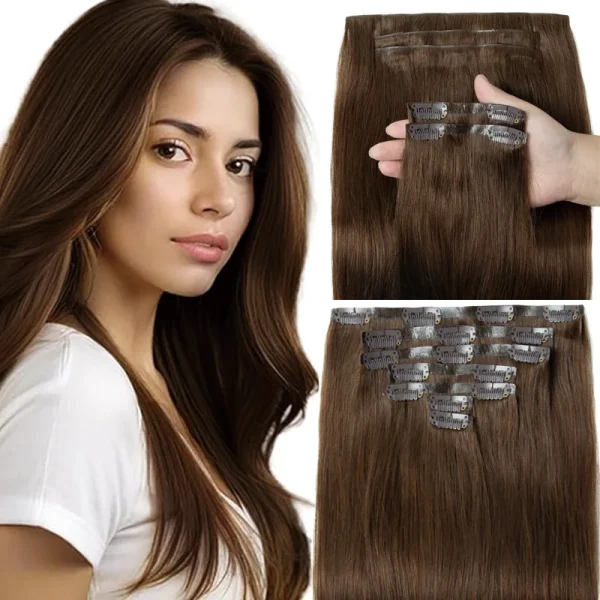
Clip-in hair extensions are wefts of hair with small snap clips sewn along the top. You part your hair in horizontal sections, clip each weft close to the root and let your own hair fall over it. A full head set usually has 7 to 10 pieces in different widths and takes about ten minutes to put in. Our step by step guide shows how to put in clip-in hair extensions.
Seamless PU clip-ins use a thin, flat strip instead of lace, so they lie close to the head and are almost invisible in fine or straight hair. Browse our clip-in hair extensions to see full head, half head and one piece sets.
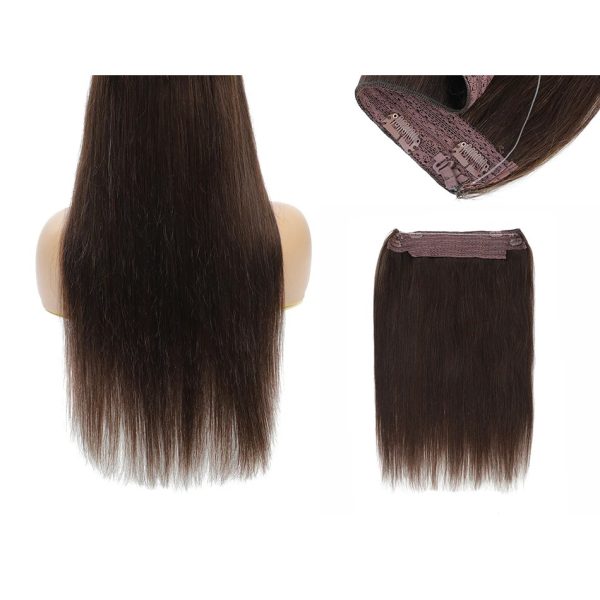
A halo is a single wide weft attached to a thin, transparent wire. The wire sits on the crown of your head like a headband worn further back, and your own hair is pulled over it to hide it. There are no clips on your roots, which makes halos one of the gentlest and fastest options. Most women can put one on in about a minute. Read our full halo hair extensions guide to learn more.
See all halo hair extensions, including halos with small clips for extra security.
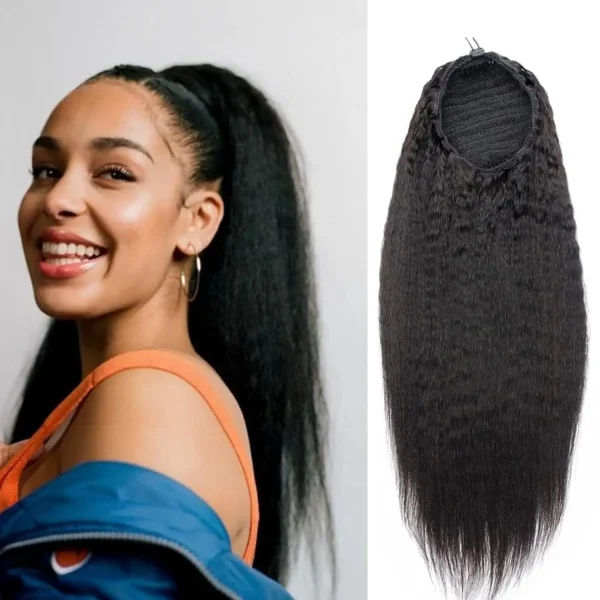
A ponytail extension is a ready made ponytail that attaches around your own. Drawstring ponytails tighten over a bun with combs, wrap around ponytails clip on and hide the base with a strip of hair, and claw clip ponytails simply grip your ponytail. It is the quickest way to get a long, full pony for weddings, parties and photos. Our ponytail extensions guide covers every type.
Shop ponytail extensions in straight, wavy and curly textures.
Clip-in bangs give you a fringe in seconds without cutting your hair. They clip in just behind the hairline and blend with your own front hair. Hair toppers are slightly larger pieces that clip onto the crown to add volume on top or cover a wide parting, and many come with bangs attached. Our clip-in bangs guide explains every fringe style.
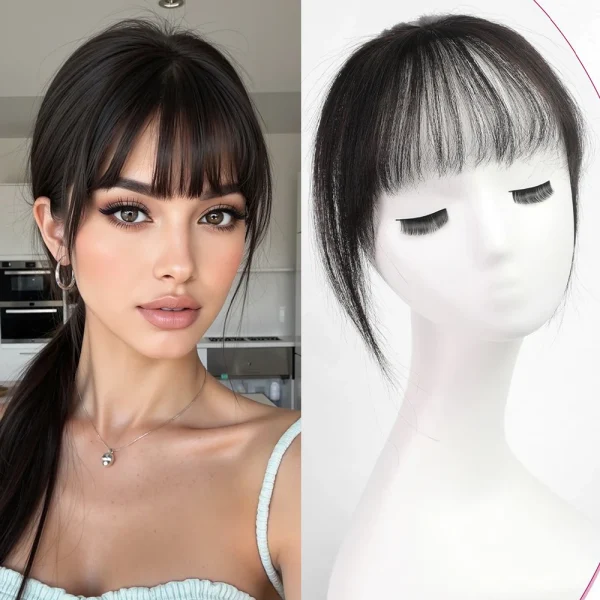
Explore wispy, French and curtain styles in our clip-in bangs collection.
These hair extension methods are fitted by a trained stylist. They are popular with women who want extensions every day, but they cost more over time and need regular maintenance.
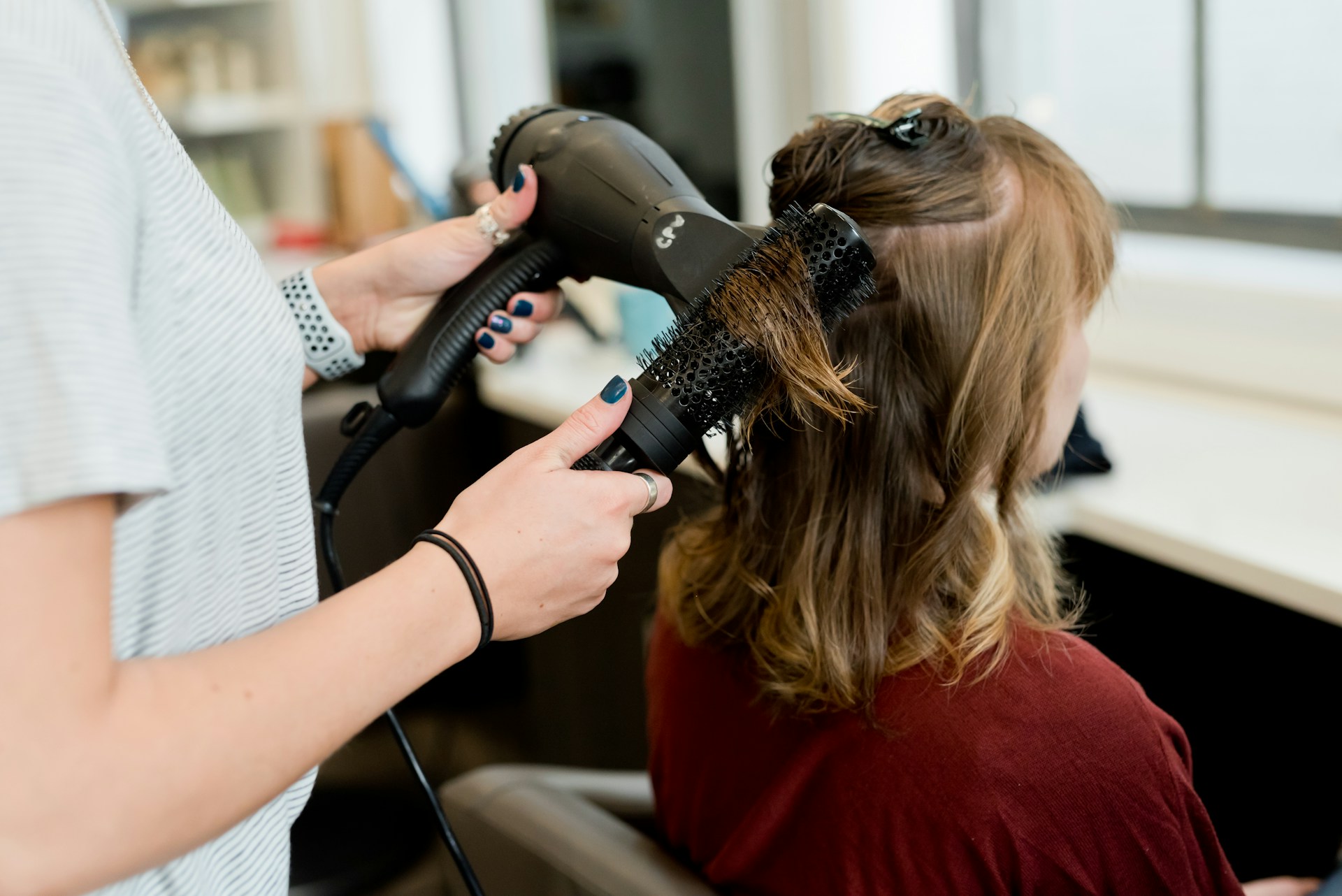
Thin wefts with medical grade adhesive tape are sandwiched around small sections of your own hair. Tape ins lie very flat and look natural, and a full head can be fitted in about an hour. They usually need to be moved up every 6 to 8 weeks as your hair grows, and they must be removed with a special solvent.
Also called fusion, I tip or U tip extensions, these are small strands of hair with a keratin tip that is bonded to your hair with heat or a cold fusion tool. Each strand is fitted one by one, so installation can take several hours. Bonds often last 3 to 4 months, but fitting and removal need care to avoid damage.
Strands of hair are threaded through tiny metal rings together with a small section of your own hair, then the ring is clamped closed. No glue or heat is used, and the rings can be moved up and reused. They usually need tightening every 2 to 3 months.
Also known as a weave, a weft of hair is sewn onto a tight cornrow braid. Sew ins are strong and last around 6 to 8 weeks, and they work especially well for thick and natural afro textures.
At Nisa we focus on temporary styles you can wear and remove yourself, because they give you the look of salon extensions without the appointments, maintenance costs or long term tension on your hair.
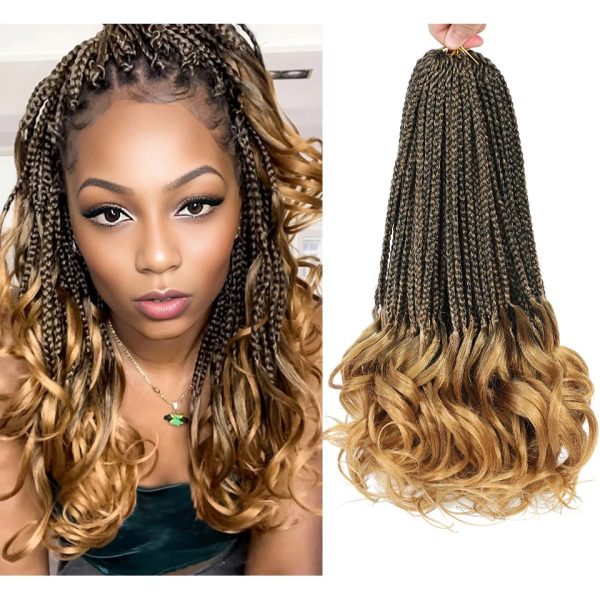
Braiding hair is a separate family of hair extensions used for protective styles such as box braids, knotless braids, twists and faux locs. It comes as pre-stretched synthetic hair, pre looped crochet hair and human bulk hair for boho braids. These styles are usually installed by a braider and worn for 4 to 8 weeks. Compare the two most popular styles in our guide to knotless braids vs box braids.
Find knotless braiding hair, crochet braids, twists and locs in our braiding hair collection.
After choosing the type of extension, the next big decision is the hair itself.
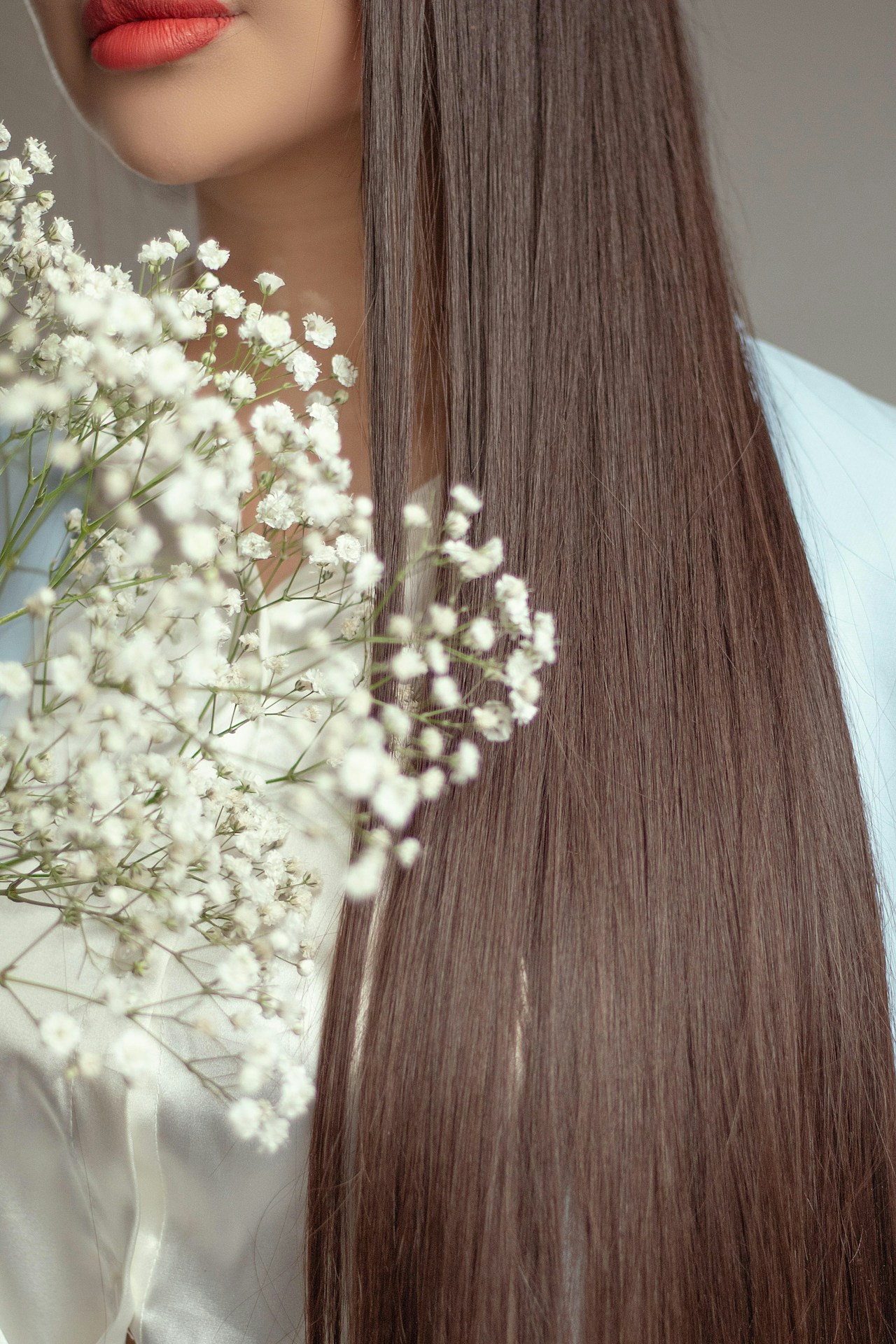
A simple rule: if you will wear your extensions more than twice a week, choose human hair. For special occasions or to test a new look, synthetic hair is a smart place to start. For a deeper look, read human hair vs synthetic hair extensions. You can compare options in our human hair extensions collection.
| Type | How It Attaches | Time to Put In | Usually Lasts | Best For |
|---|---|---|---|---|
| Clip-in | Snap clips at the root | 5 to 10 minutes | Months, reusable | Natural blend, full control |
| Halo | Clear wire on the crown | About 1 minute | Months, reusable | Fine hair, beginners |
| Ponytail | Drawstring, wrap or claw clip | About 1 minute | Months, reusable | Events, quick volume |
| Bangs and toppers | Small clips at front or crown | Under 2 minutes | Months, reusable | New fringe, volume on top |
| Tape in | Adhesive tape by a stylist | About 1 hour | 6 to 8 weeks per fitting | Daily wear, flat finish |
| Keratin bond | Bonded strand by strand | 3 to 5 hours | 3 to 4 months | Long term wear |
| Micro ring | Small metal rings | 2 to 4 hours | 2 to 3 months per fitting | No glue or heat |
| Sew in weft | Sewn onto cornrows | 2 to 4 hours | 6 to 8 weeks | Thick and afro hair |
The best type of hair extensions depends on your hair, your routine and your goal. Use this as a quick guide:
Seamless clip-ins and halos in human hair look the most natural for temporary wear, because they lie flat and move like your own hair. The right shade and length matter just as much as the type.
Halos cause the least damage because nothing attaches to your hair. Clip-ins and ponytails are also gentle when they are lightweight and removed before sleeping.
Yes. Temporary styles can be worn daily as long as you take them out at night and give your hair a rest day now and then. Good hair extension aftercare keeps them looking fresh.
There are no truly permanent extensions. Methods often called permanent, such as tape ins, keratin bonds and micro rings, are semi permanent and need to be moved up or replaced every few weeks or months.
There are four main temporary types (clip-ins, halos, ponytails, and bangs or toppers), four main salon methods (tape in, keratin bond, micro ring and sew in) and braiding hair for protective styles.
Now that you know the different types of hair extensions, the easiest next step is to browse by style. Start with our full hair extensions collection, or message us on WhatsApp if you would like help choosing. Every order comes with Cash on Delivery and free delivery across the UAE on orders over AED 200.