

Types of Hair Extensions: A Complete Guide for Beginners
Clip-ins, halos, tape ins, keratin bonds and more: how every type of hair extension works, how long it lasts and...
read more


It is the first question almost everyone asks: do hair extensions damage your hair? The honest answer is that extensions themselves are not harmful, but the wrong method, the wrong weight or the wrong habits can be. When you choose sensibly and wear them correctly, extensions leave your own hair exactly as healthy as it was.
This guide explains where damage actually comes from, which hair extensions are the least damaging, the warning signs to watch for and the simple habits that keep your hair safe.
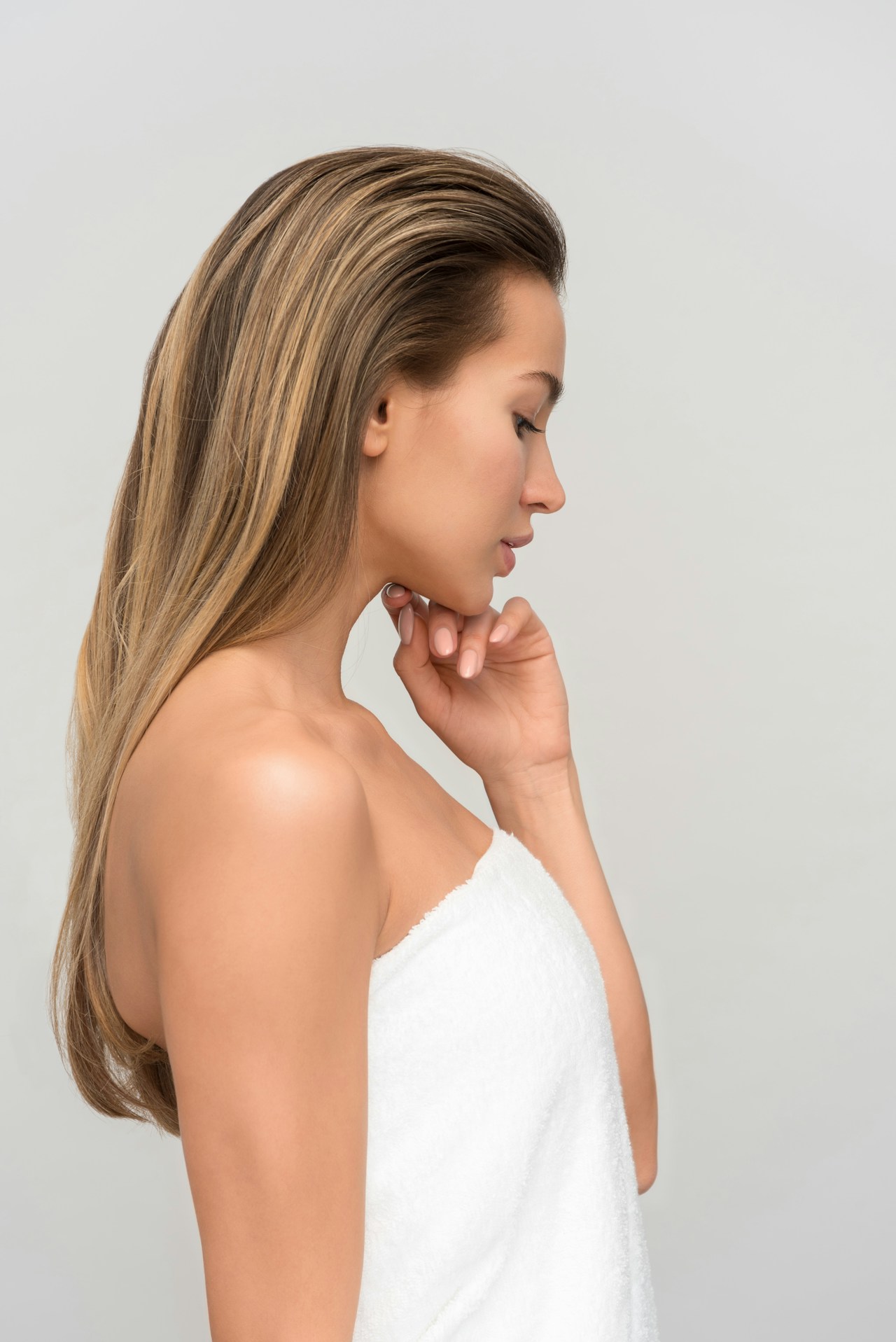
Every strand of your hair can only carry so much. A heavy full set on fine hair puts strain on the roots, especially if the wefts are attached to small sections. Over time this can weaken the hair at the scalp. Choosing a weight that suits your hair is the single most important way to avoid damage.
Tight clips, tight ponytails and tightly fitted salon bonds all pull on the root. Wearing that tension every day without a break is what can lead to breakage and thinning around the hairline and crown. Doctors call this pattern traction related hair loss, and it is avoidable.
Temporary extensions are not designed to be slept in. Friction from the pillow tangles the hair, and twisting while you sleep pulls on the clips or wire. Always take them out at night.
Tape ins removed without the right solvent, keratin bonds pulled out instead of dissolved, or micro rings left in for months beyond their maintenance date can all break hair. These methods should always be fitted, moved up and removed by an experienced stylist.
Very hot tools, bleach and strong chemicals damage both your hair and human hair extensions. Heat protection and moderate temperatures keep everything healthy.
Ranked from gentlest to most demanding:
If your hair is already fine or thinning, you need to be extra careful about weight and tension. The safest options are halos, lightweight seamless clip-ins and hair toppers, which add volume without pulling. We explain these in detail in the best hair extensions for thin hair and hair toppers for thinning hair on top.
If you notice sudden, patchy or unexplained hair loss, speak to a doctor or trichologist. Extensions are a styling tool that can help you feel confident, but they are not a treatment for hair loss.
Your hair usually gives clear signals before any real damage happens. Take a break or change your extensions if you notice:
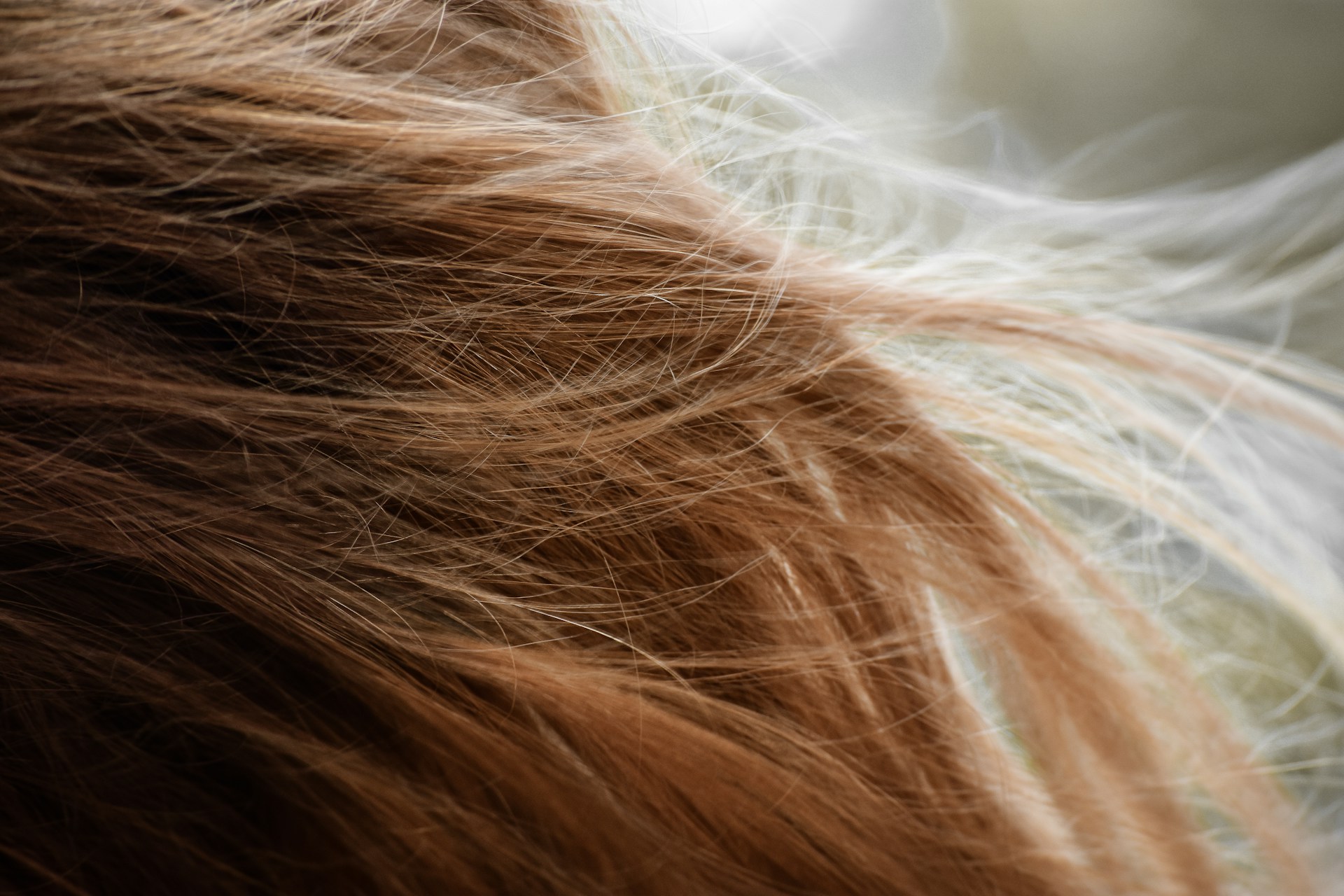
For full washing and storage tips, see our hair extension aftercare guide.
Tape ins, keratin bonds and micro rings can look beautiful, and many women wear them safely for years. If you decide on a salon method, these steps lower the risk of damage:
For a full comparison of salon and at home options, read tape in, keratin and micro ring vs clip-in extensions.
Even with gentle temporary styles, regular breaks are good for your hair. A simple rhythm many women follow is to wear extensions for events, workdays or weekends, and leave at least one or two days a week completely free. On rest days, wear your hair loose or in a soft low style rather than a tight ponytail, and use a nourishing conditioner or scalp oil.
If you have worn salon extensions for a long time, a few weeks without any extensions after removal lets you check the condition of your roots and decide calmly what to wear next. Temporary styles are a great way to keep the length and volume you love during that break.
Ponytails and braids are not harmful in themselves, but tension at the hairline is a common issue. Avoid scraping your edges back tightly every time, choose lighter ponytails for long days, and ask your braider not to braid the hairline too tightly. Our guide to knotless braids vs box braids explains why knotless styles put less tension on the scalp.
Many women wear extensions under a hijab for shape and volume. The key is to keep things light: a small bun or a few clip-ins at the nape, nothing tight at the hairline, and a soft underscarf that does not drag on the clips. Read wearing hair extensions with a hijab for practical tips.
Normal daily shedding continues whether or not you wear extensions. When you take extensions out, you may notice shed hairs that were caught in your hair during the day. That is normal. Damage is about breakage and thinning over time, which good habits prevent.
Clip-ins are usually gentler, but a very heavy clip-in set worn every day on fine hair can cause more tension than well fitted salon extensions. Weight and habits matter more than the method alone.
The type of hair does not change how much tension the base puts on your roots. Human hair is heavier than synthetic hair, so weight still matters.
No, not when they are lightweight, placed on generous sections and removed before sleeping. Problems come from heavy sets worn every day without a break.
Halo extensions are the safest because nothing attaches to your hair. Lightweight clip-ins and toppers are also very gentle.
Yes. Choose a halo or a light seamless set, keep the weight low and take regular rest days.
A full day is fine for most people. Take them out in the evening and never sleep in them.
Breakage along the lengths grows out over time once the tension stops. If you notice thinning at the roots or patches, speak to a doctor or trichologist for advice.
Hair extensions can give you longer, fuller hair without harming your own when you pick the right style and weight. Start with a gentle halo or browse our extensions for thin hair. Questions? Message us on WhatsApp. Pay with Cash on Delivery, with free UAE delivery on orders over AED 200.