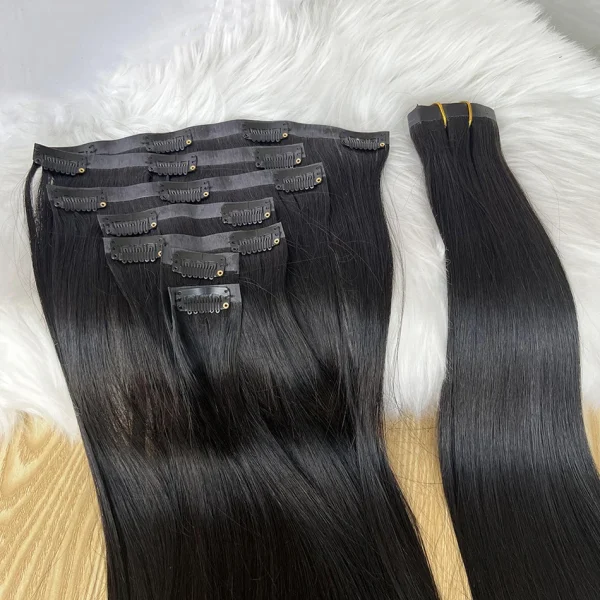


Types of Hair Extensions: A Complete Guide for Beginners
Clip-ins, halos, tape ins, keratin bonds and more: how every type of hair extension works, how long it lasts and...
read more


Remy, non Remy, virgin, raw, double drawn, single drawn, Russian, European, Indian. If you have shopped for human hair extensions, you have seen these words on almost every listing, often with very different prices. But what do they actually mean, and which ones are worth paying for?
This guide explains each term in plain language, shows how they affect the look and lifespan of your extensions, and gives you a simple checklist to judge quality yourself.
Two sets of human hair extensions can look almost identical in a photo and behave completely differently after a month. One stays smooth, soft and easy to style; the other tangles, sheds and turns dry at the ends. The difference comes down to three things:
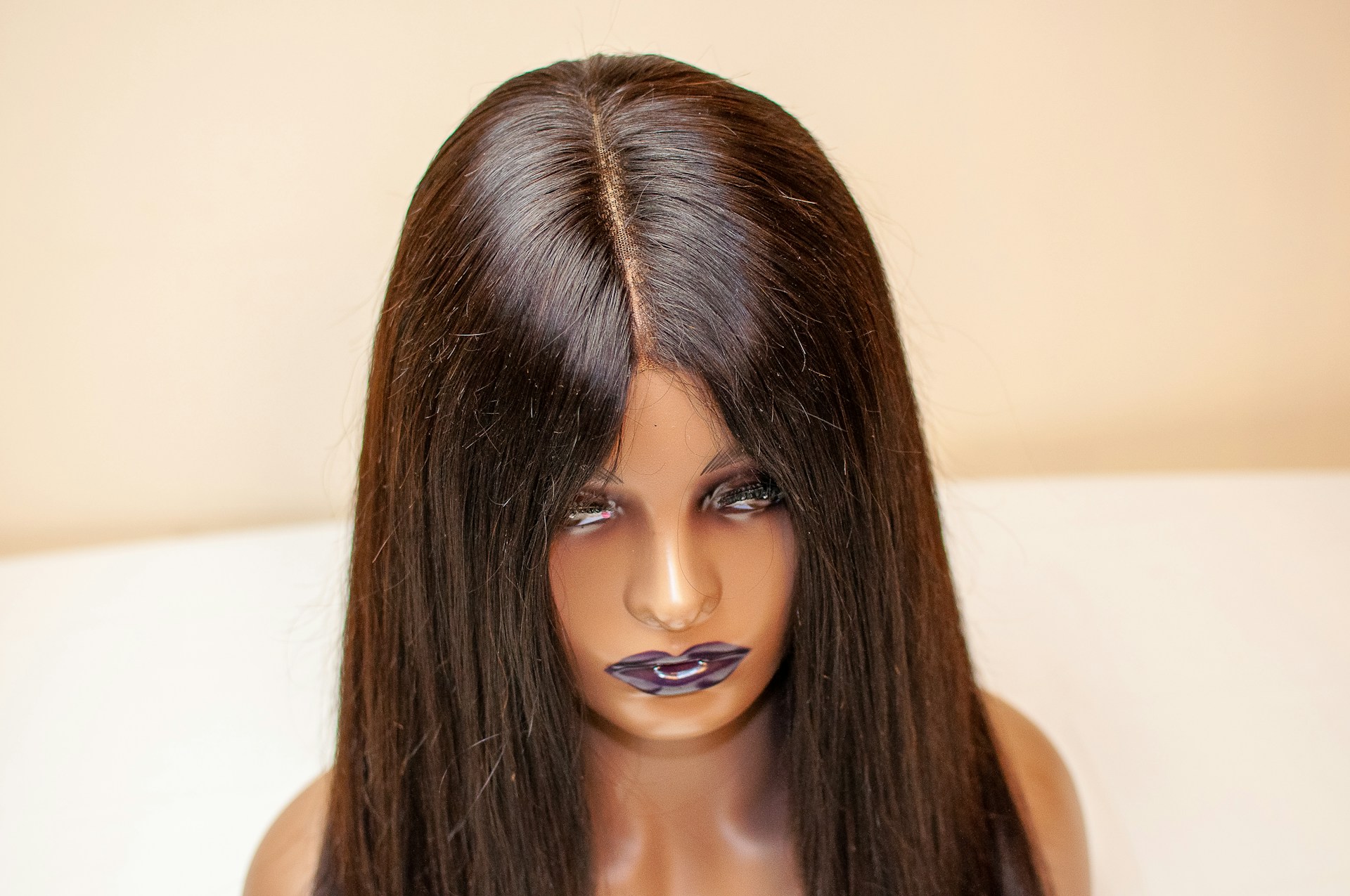
Every strand of hair is covered in tiny overlapping scales called cuticles, a little like the tiles on a roof. On hair growing on your head, all the cuticles point the same way, from root to tip. That is what makes healthy hair smooth and shiny, and it is why it slides past other strands without catching.
If hair strands are mixed so that some point up and some point down, their cuticles catch on each other. That is the main cause of tangling and matting in poor quality extensions.
Remy hair is collected so that every strand keeps the same direction, root to root and tip to tip. Because all the cuticles are aligned, Remy hair:
Remy hair can still be coloured and processed, so the word Remy tells you about direction, not about whether the hair is unprocessed.
Non Remy hair is collected without keeping the strands in the same direction. To stop it from tangling immediately, the cuticles are often stripped with acid and the hair is coated in silicone. It feels very silky when new, but once the coating washes off after a few washes, the hair can become dull and tangly. Non Remy hair is cheaper and can be fine for occasional use, but it rarely lasts.
Virgin hair has never been chemically processed: no colour, no bleach, no perm and no chemical straightening. It keeps its natural strength and texture. Virgin hair is usually also Remy. Because it has not been coloured, it comes in natural shades, mostly dark browns and blacks.
Raw hair goes one step further. It is not only unprocessed, but also minimally handled: no steam texturising, no colour and often a single donor or a small number of donors for each bundle. Raw hair is prized for its natural texture and strength and tends to last the longest of all. It takes colour predictably when you work with a professional, and it is usually the most expensive option.
These terms describe how the hair is sorted by length:
If you want thick, full ends, look for double drawn hair. If you prefer a softer, natural taper, single drawn is perfect.
These names describe where hair is said to come from or the texture it is processed to resemble. They are often used for marketing, so treat them as a description of texture rather than a guarantee of quality:
What matters most is still whether the hair is Remy, how it was processed and how full the ends are.
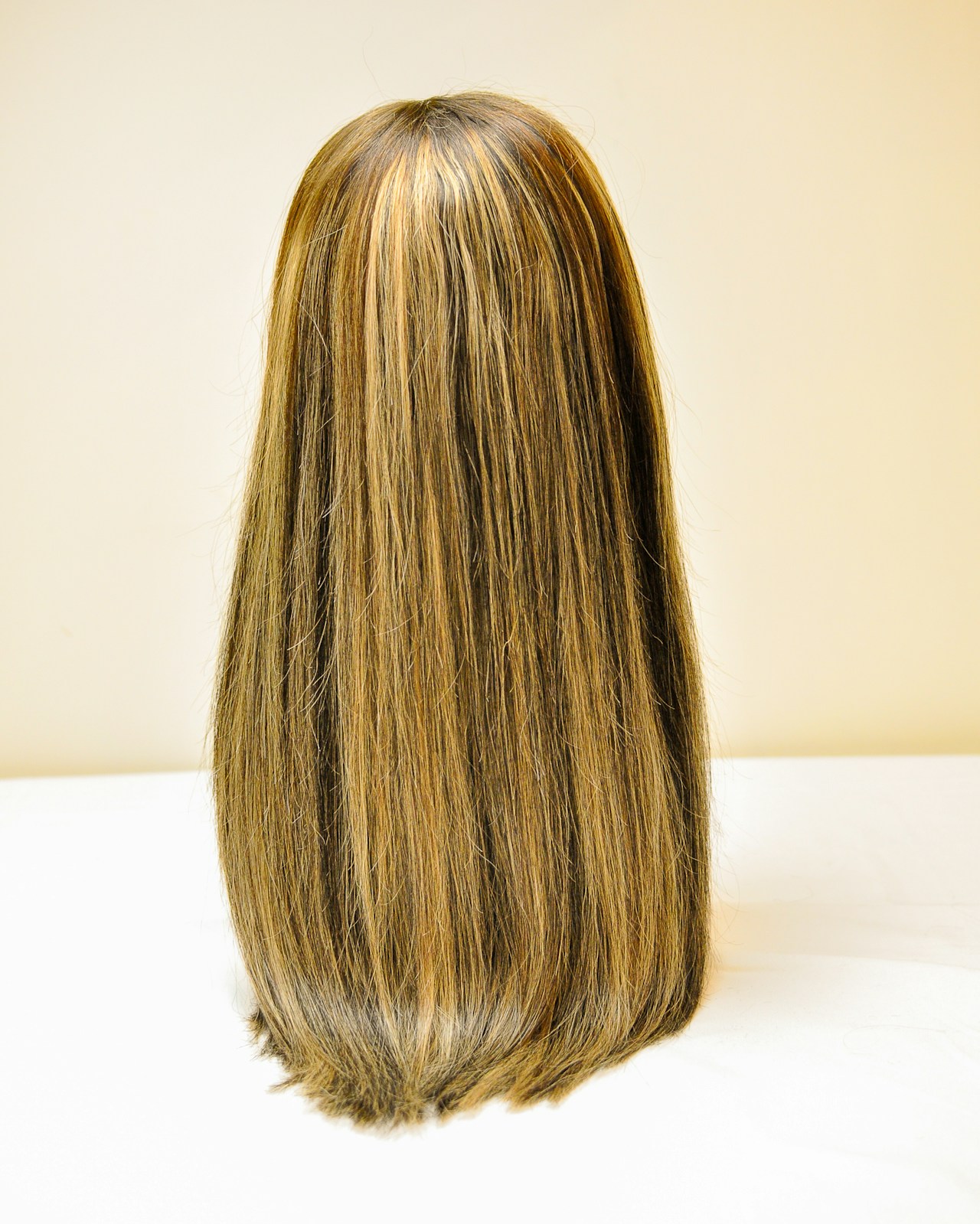
Keep this quick reference handy when you read product descriptions.
A trustworthy seller should be happy to answer these:
At Nisa, each product page lists the hair type, weight and length, and our team will happily answer anything else on WhatsApp before you order.
Even the best quality hair will look thin if there is not enough of it. A set of around 100 to 120 grams suits fine hair or a natural volume boost, 140 to 160 grams suits medium hair, and thick hair or very long lengths often need 180 grams or more. When you compare prices, always compare the weight as well as the hair type, because a lighter set of premium hair and a heavier set of standard hair are very different products.
Not always, but price usually reflects how the hair was collected, sorted and processed. Very cheap human hair is almost never Remy. A useful way to judge value is cost per wear: hair that lasts many months of regular use often works out cheaper than replacing low quality sets again and again. See our hair extensions price guide and how long hair extensions last for more.
Quality hair deserves quality care. Use sulphate free shampoo, condition the lengths well, protect from heat and avoid bleach. Our hair extension aftercare guide covers every step, and our guide to dyeing hair extensions explains what is safe.
No. Remy describes cuticle direction. Remy hair can be coloured or processed, while virgin hair has never been chemically processed.
Raw hair is usually Remy and also unprocessed, so it tends to last longer. Coloured Remy hair is still excellent and comes in more shades.
It is usually non Remy hair with mixed cuticles. Once the silicone coating washes off, the cuticles catch on each other.
Double drawn hair has been sorted twice so most strands are close to full length, giving thicker ends.
Not always from photos. Running your fingers up the hair and checking the ends tells you much more.
Every product page in our store lists the hair type, so you always know what you are buying. Explore our human hair extensions, including Remy and raw hair pieces, with Cash on Delivery and free UAE delivery on orders over AED 200.